Guide
Cigarette Smell in a House
Cigarette smell stays in a house when tobacco residue is still on the surfaces, not when a little smoke is left in the air. Airing the room, washing fabrics, and even painting help only to the extent they reach that residue. This guide explains the difference, what ordinary cleaning can do, and when the next step is an assessment rather than another product.
People ask how to get cigarette smell out of a house, an apartment, a room, or a piece of furniture, and they often want the answer to work the same day. Some situations are that small. A guest who smoked once near a window may leave a smell that ventilation and a wash of nearby textiles will clear. A home where people smoked indoors for years is a different problem. The smoke has been landing on paint, ceilings, closets, and fabric the whole time. Opening the windows changes what you breathe this afternoon. It does not lift the film.
Why the smell returns after you air the house
Tobacco smoke is not only a cloud. Particles and sticky compounds settle. On a painted wall they become a film you might see as dull yellow, especially above heaters, around vents, and on a ceiling. In a closet they sit on the rod, the shelf, and the clothes that stayed there. In a sofa they sit in the fabric and, if the smoking was heavy, deeper than a vacuum reaches. When the room is warm, or the air conditioner starts moving air across those surfaces, you smell it again and assume the smoke “came back.” It was never only in the air.
That is also why a number of days is a poor answer to “how long does cigarette smell last.” A lightly affected room can improve in days of ventilation and cleaning. A filmed interior can smell for months after the last cigarette, and it can smell again after you thought a weekend of open windows had finished it. The clock is not the variable. The materials are.
Where people look, and where the odor often is
The living room gets the attention because that is where you sit. Check the closet in the bedroom, the inside of the linen cupboard, the back of the drapes, the top of the door casing, and the underside of shelves. Wood furniture can hold odor in a finish. Leather holds it in a way that a damp cloth may not release, and aggressive solvents can damage the leather while you are chasing the smell. A couch is both a fabric problem and, sometimes, a foam problem. Washable covers are worth washing. Foam that smells after the cover is clean is a different object.
Apartments add a smaller volume of air and, often, a history you did not create. A previous tenant’s smoking shows up in an empty unit because the film stayed when the furniture left. Halls and the inside of closets are worth as much attention as the room that faces the street. If you are in Dallas and the unit is the thing you need help with, the service description is tobacco and cigarette odor removal. This article is the explanation. That page is the offer.
What ordinary cleaning and ventilation can do
Wash textiles that can be washed. Wipe hard surfaces with a cleaner that is appropriate for the finish, and change the cloth when it loads up so you are not spreading film around. Air the rooms when outdoor air is an improvement. Clean the dust, because dusty shelves and vent covers hold smell. Remove items that absorbed years of smoke if you do not plan to keep them. These steps are reasonable, and for a light odor they may be the whole job.
They stop being enough when the paint itself is the reservoir, when every soft surface in the room was in the smoke, or when someone has already cleaned thoroughly and the odor returns the same evening. At that point another bottle of fragrance is a cover, not a removal. Mixing bleach with ammonia, or with other cleaners, to “cut” the smell is dangerous and does not solve a film in the paint. Do not do it. Do not run an ozone generator in a house you are living in, or in a room a pet will enter. Ozone is not a casual household tool, and this guide is not recommending it.
Painting, furniture, and the hope of a quick cover
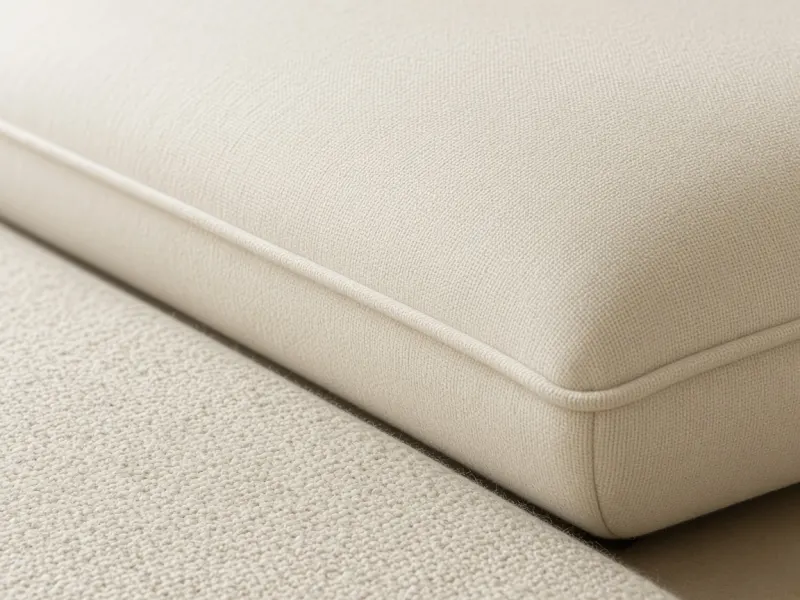
Paint can be part of dealing with a light film once the source surfaces are actually clean, or it can lock odor in a way you notice every time the wall warms up. Painting first, while the drapes and the closet still smell, usually fails the nose test within days. Furniture has the same logic. A wood piece that smells may need more than a polish. A leather chair may not be a candidate for the same wash you gave the cotton cushions. If you are unsure whether a piece is holding the odor or merely sitting in a smelly room, take it to a neutral space, such as a porch or a room that does not smell, and check it the next day.
When an assessment is the useful next step
Write for an assessment when the odor is still obvious after ventilation and a real cleaning, when you are taking over a home with a long smoking history, or when paint and new furnishings have not solved it. Describe the rooms, how long smoking went on, and what you have already washed or painted. In Dallas that request goes to EHFUIE for tobacco odor, not for fire restoration. A house fire, wildfire soot, or char is a different project, and it should be described as such so nobody treats it as cigarette film.
The assessment looks for the surfaces that are still releasing odor and says which of them can be addressed in place. It does not come with a guaranteed end date or a claim that every finish can be saved. If you want the commercial description before you send a note, read tobacco and cigarette odor removal in Dallas. Other smells that get confused with smoke, especially from a burnt pan, are covered in the cooking smell guide. All three household guides are listed on the guides page.
Questions people ask
How long does cigarette smell last in a house?
There is no single number of days. A light odor in a room that was aired and washed can fade. Odor held in paint, closets, and upholstery can remain for months or longer, especially if the smoking went on for years. The materials decide more than the calendar.
Can I remove cigarette smell from a house with ozone while we still live there?
Do not run an ozone device in a room people or pets are using. This guide does not recommend ozone as a home project. Ventilation and cleaning of reachable surfaces are the reasonable household steps. Persistent film is an assessment question, not a machine to leave running overnight.