Dallas, Texas

Odor Removal in Dallas, TX

EHFUIE Odor Removal helps with tobacco, pet, and cooking odors that stay in Dallas houses, apartments, and indoor commercial rooms after the windows have been open and the usual cleaning is done.

Describe the rooms, the odor, and the surfaces. A short note is enough, and it is not a booking.

A bright living room with a linen sofa, sheer curtains, and a potted tree beside tall windows.
Soft furnishings and painted walls are typical places an indoor odor can hold.

Three odor problems, handled as different jobs

A house can smell for more than one reason. Cigarette film on paint is not the same problem as urine under a carpet pad, and neither is the same as grease from a kitchen that has been cooking fish or something burnt for months. The services page compares them. Each has its own scope.

01

Tobacco and cigarette odor

Tobacco leaves a film on walls, closets, and fabric after the air has cleared. This is for that lingering indoor odor. It is not fire restoration, and it is not a promise that every painted surface can be made new.

02

Pet odor and urine

A general animal smell in upholstery is a different job from urine in a carpet pad, a couch, or a wood floor. Depth matters, and some materials cannot be kept.

03

Cooking and burnt food odor

An evening of cooking is not the same as residue that remains in cabinets and nearby soft goods after fish, spices, or a burnt pan.

Rooms and the situations that start a call

People write about a house they are moving into, an apartment after a tenant who smoked, a living room where a pet has lived for years, and a kitchen that still smells the next day. A small office or rented indoor suite can be in scope when the odor is one of the three. Cars, boats, lawns, and duct-only projects are not.

Living rooms, bedrooms, closets, halls, and kitchens come up most. So do carpet, rugs, upholstery, drapes, painted drywall, wood near a litter area, and cabinet faces around a range. If two odors share a room, say so. We sort that out in the assessment.


A sunlit apartment living room with a pale sofa, a wood coffee table, and an open doorway.
Apartments concentrate odor in fewer rooms, especially when windows stay closed.

An assessment looks for the source, not only the smell

Odor is what you notice in the air. The source is whatever is still releasing it. That might be a film on paint, dust in a closet, a cushion, a carpet pad, or grease on a surface that looks clean. Walking the rooms and asking what happened there is the useful part of an assessment. Spraying a fragrance over the top is not the work.

We ask how long the odor has been present, whether the source is still active, and which materials are involved. A long smoking history is not the same picture as one evening, and repeated urine is not the same as a spill on a sealed floor. We say what seems reachable and what may need to be replaced before any work is agreed. The sequence is on how we work.

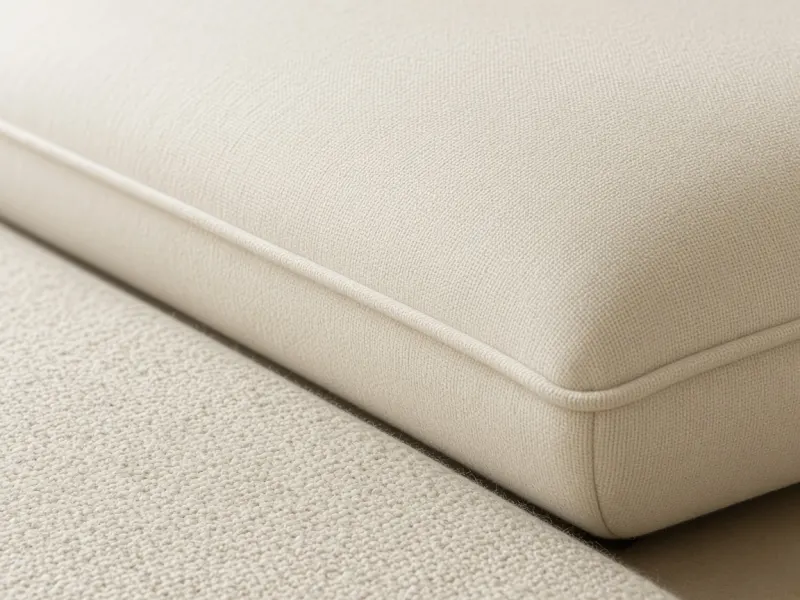
Close view of a cream woven sofa cushion meeting a pale textured rug.
Fabric and the rug beneath it can hold odor that a surface wipe does not reach.

How a request moves forward

01

You write or call

Share the odor type, the rooms, and what you have already tried. Phone is optional on the form.

02

We reply

We ask what is still unclear. This is a conversation about the problem, not a confirmed appointment.

03

On-site look, if it fits

If the inquiry is in scope, we look at the space and the materials that are holding the odor.

04

A separate agreement

Work starts only after the scope is discussed and agreed. There is no charge captured on this website.

Factors that change the amount of work are described on the cost page. We do not list sample prices, because a number without the rooms and materials would be a guess.

If you want to understand the smell first

These guides answer the household questions: why a smell survives airing and ordinary cleaning, and where that cleaning usually stops. They are not instructions to mix household chemicals, and they are not a substitute for looking at the actual room.

Questions people ask

Which odors does EHFUIE take on in Dallas?

Tobacco and cigarette odor, pet odor including urine, and cooking odor including burnt food. The work is for houses, apartments, and indoor commercial rooms. It does not include vehicles, boats, aircraft, fire restoration, mold, sewage, or outdoor areas.

Does sending the form book a visit or set a price?

No. The form is a request for an assessment. We reply to understand the rooms and materials. Any visit and any work are discussed separately. The form does not confirm a time or a fee.

Can every surface be saved?

No. Some odors sit in the air and on cleanable surfaces. Others have moved into carpet padding, cushions, or finishes. An assessment is how we tell the difference. When a material is too saturated, replacement may be the practical path.

Do you publish a flat rate?

No. The amount of work depends on the odor, how long it has been present, the rooms involved, and what the materials are. Describe the situation and we can talk through what would affect a quote.

Describe the room, and we will tell you if it is in scope.

EHFUIE Odor Removal, 400 S Zang Blvd, Dallas, TX. Call +1 214 238 7294 or email [email protected].

Request an Assessment